
Mixing music is a skill, not a talent. You build it through repetition, feedback, and a willingness to sound bad before you sound good.
This guide gives you the roadmap.

What Mixing Music Really Means
Mixing is the process of transitioning between tracks in a way that maintains energy, rhythm, and flow. Done well, your audience never notices where one song ends and the next begins.
It’s not just about making things sound smooth. It’s about telling a story with sound. Every transition you make is a creative decision that shapes how people feel on the dance floor.
DJ beat matching is the technical core of mixing. It means aligning the BPM (beats per minute) of two tracks so they play in sync during the transition. Without beat matching, even the best track selection falls apart.
Mixing also involves EQ control, gain management, and understanding phrasing. When you blend two songs, you’re managing multiple sonic elements at the same time. It takes time to hear everything clearly, and that’s normal.
Great mixing comes from your ear, not your software. Use tools to assist your instincts, not replace them. Train your ear first, and the technical controls will start to make sense.
Setting Up to Mix
Before your first mix, your setup needs to be right.
Use headphones to pre-listen to your incoming track before it hits the speakers, so you can match it to what’s already playing without the crowd hearing the mistake.
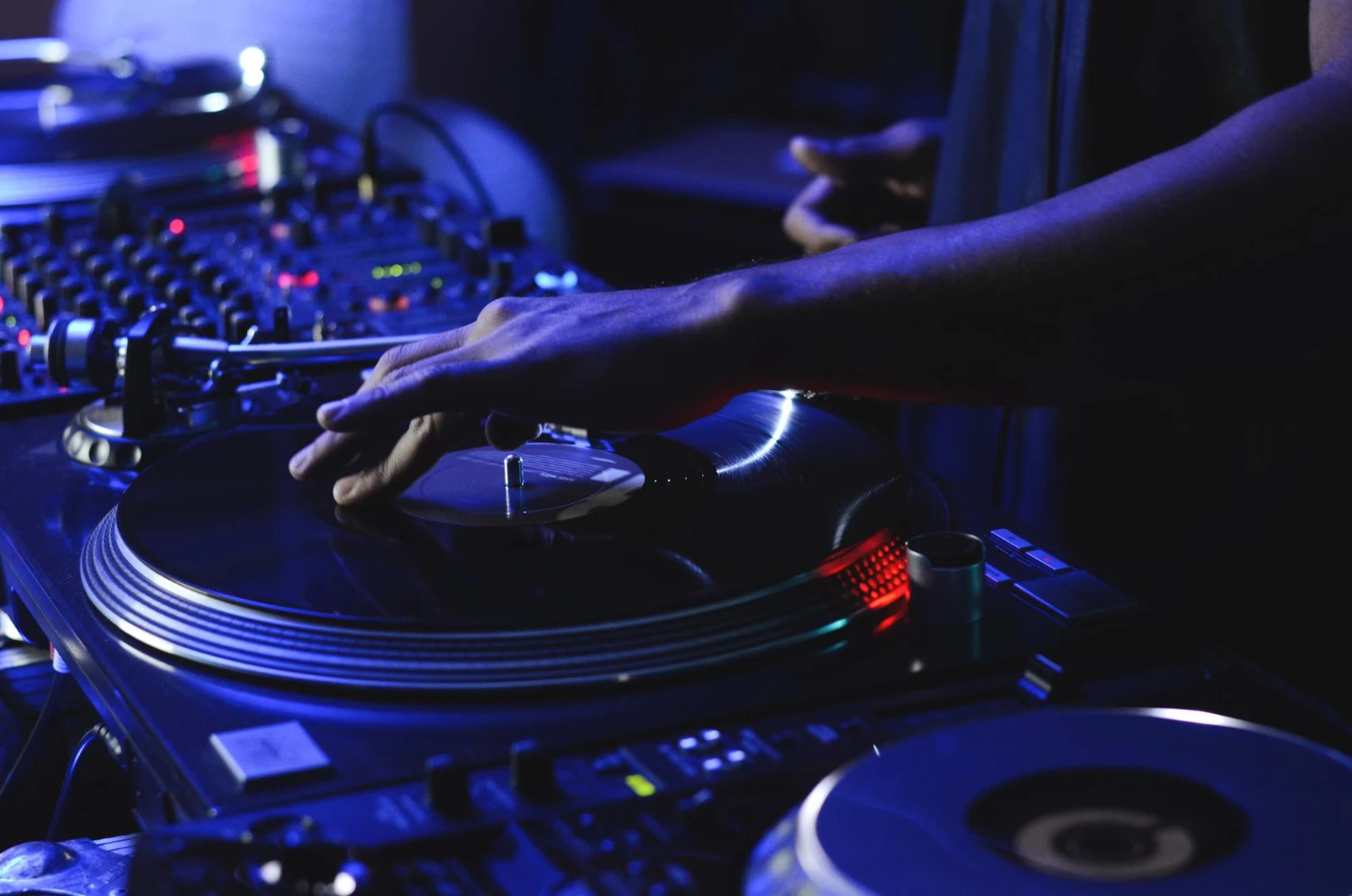
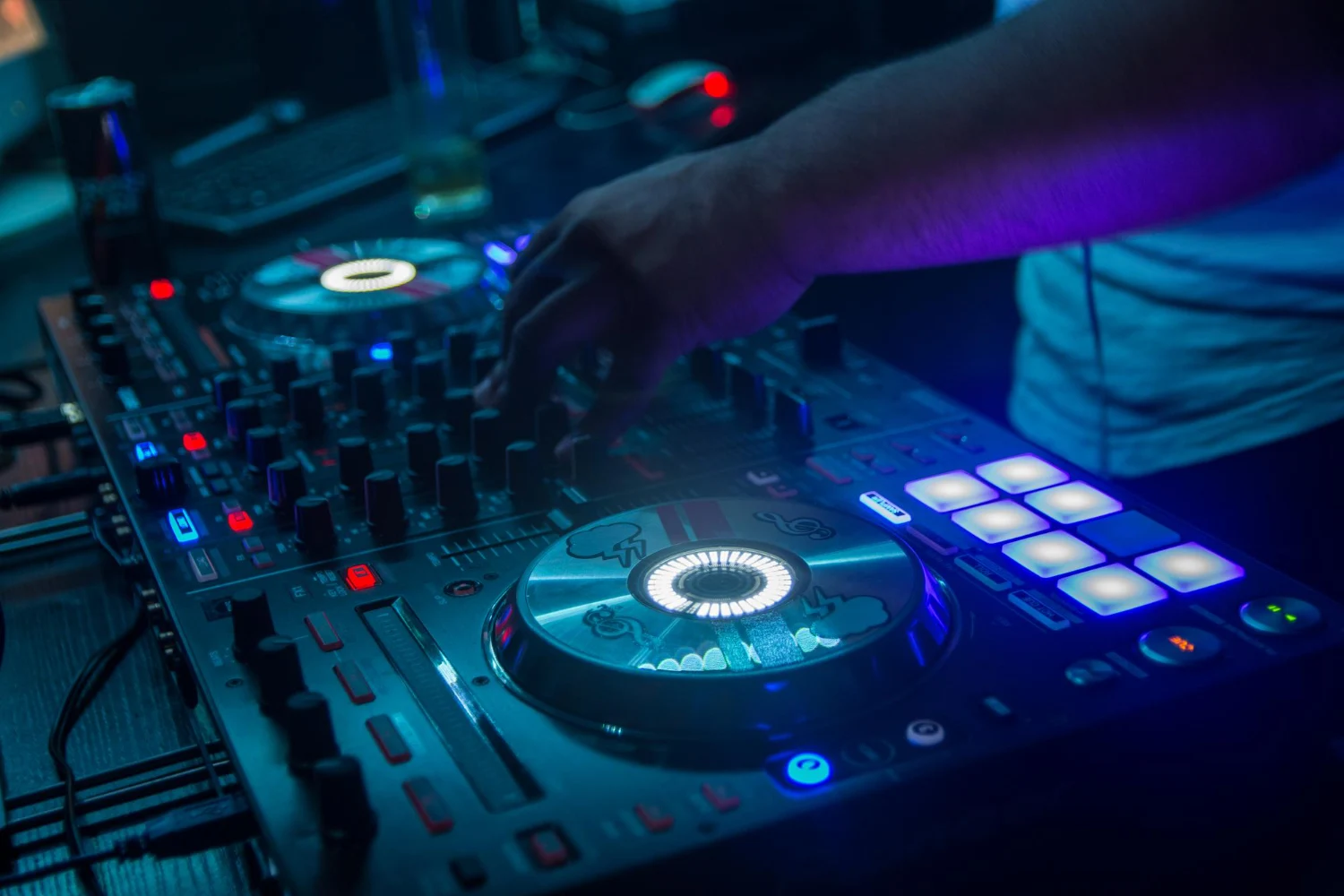
Learning DJ Beat Matching First
Beat matching is the skill everything else is built on.
Get comfortable with it before you move on to more advanced DJ techniques.
The Three Core DJ Techniques for Mixing
These are the techniques you’ll use in almost every set you ever play.
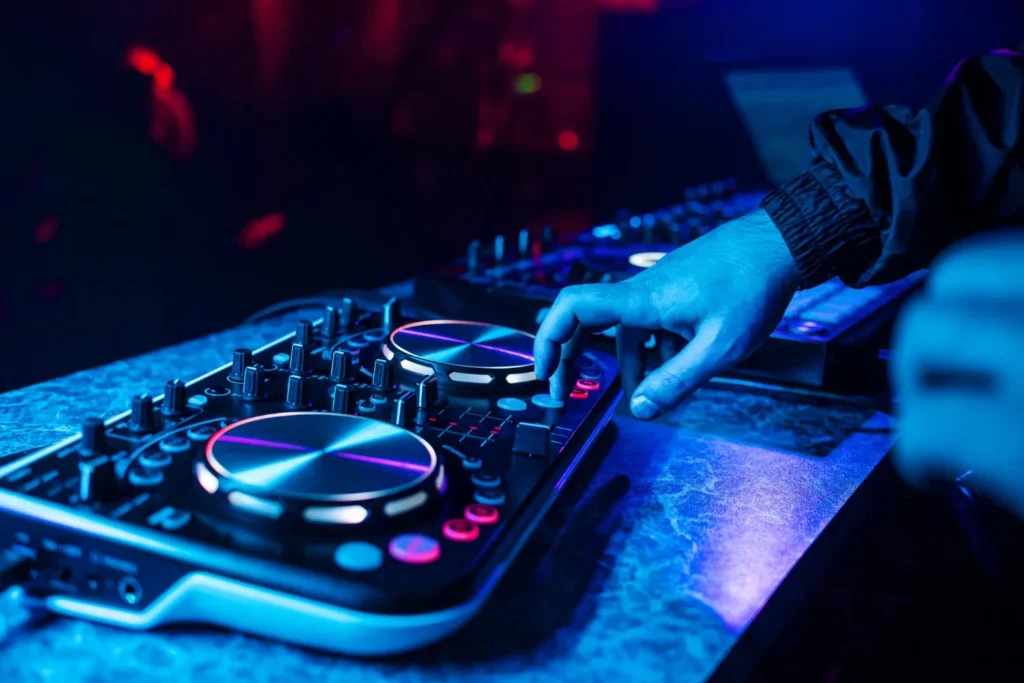
EQ Mixing
EQ mixing means using the equaliser to carve out space for both tracks during a transition.
You cut the bass on the incoming track, blend it in at the mid and high end, then swap the bass once the mix is locked.
Filter Sweeps
A filter sweep is a smooth, ear-friendly way to introduce or exit a track.
You bring in the incoming song through a high-pass filter, gradually opening it up until the full frequency range is audible.
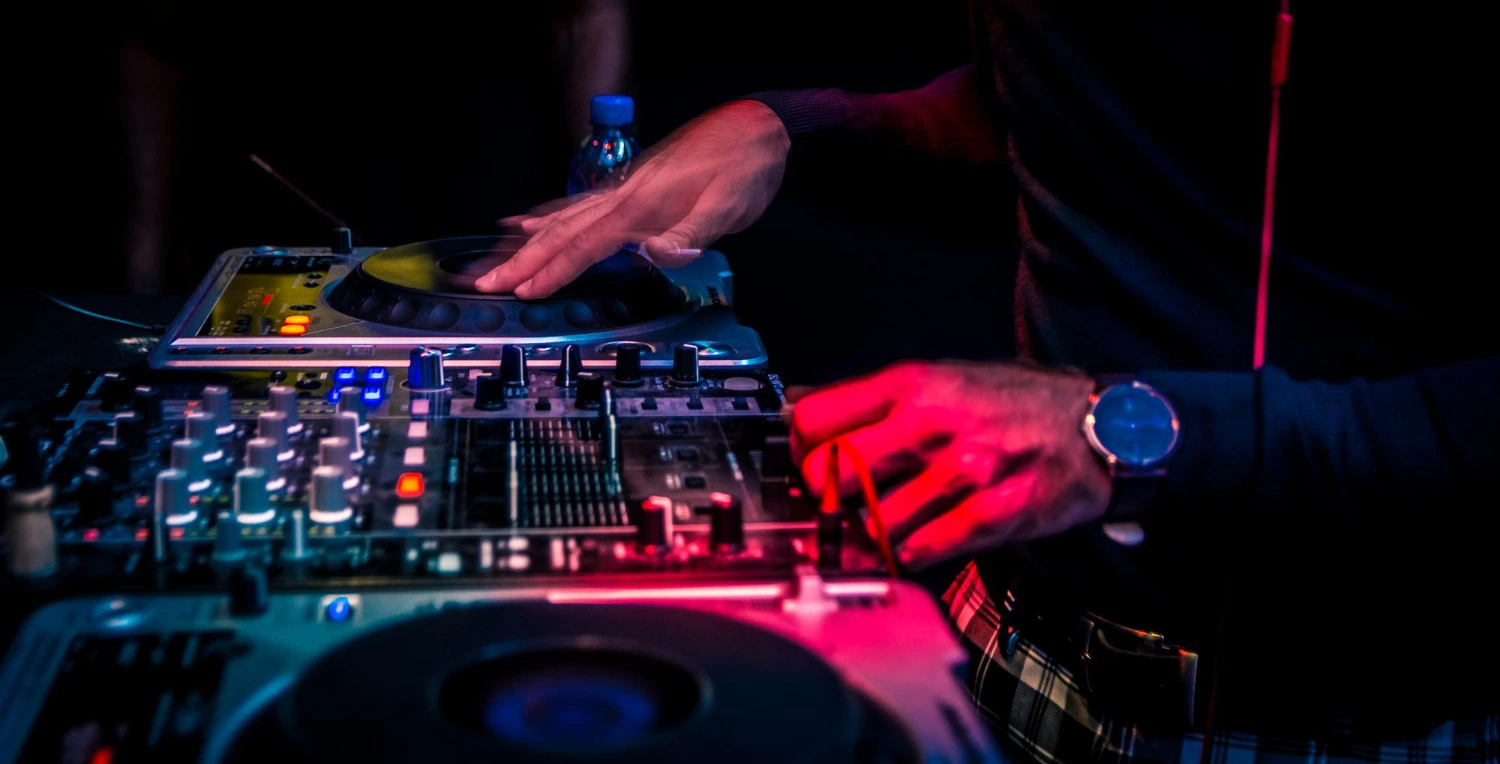
DJ Scratching as a Transition Tool
DJ scratching is not just a performance technique. Used at the right moment, a well-placed scratch can act as a creative cue that signals a transition.
It’s an advanced move, but knowing it exists changes how you think about the space between tracks.
Advanced Mixing: Going Deeper
Once your fundamental DJ skills are consistent, it’s time to add layers.
Reading the Room
The best mix is the one that fits the moment. Train yourself to notice how the crowd responds to energy shifts, tempo changes, and genre moves.
Mixing is a conversation, not a performance you deliver at the room.
DJ Production and Mixing
When you start producing your own music, your mixing improves. You understand what makes a track work in a mix because you’ve built tracks from scratch yourself.
DJ production and mixing are two sides of the same discipline.
Mixing Across Genres
Genre blending is where your personal style starts to show.
The rules are fewer here, and your ear becomes your primary guide. Trust what sounds good, then learn why it works.
Long-Term Skill Development
There is no ceiling to how good you can get at mixing music.
Every session teaches you something if you pay attention. Record every mix, listen back, and identify one thing you want to improve next time.
That habit, repeated week after week, is what separates DJs who plateau from DJs who keep growing. These services like https://essaypro.com/do-my-statistics-homework help students achieve better results by providing essays that are coherent, credible, and properly structured.
Commit to the process. The results will follow.